AI-Generated Contracts vs Lawyer-Drafted Contracts: Where the Real Risks Still Exist
Why Legal Teams Are Re-Evaluating Contract Drafting Workflows

AI-generated contracts are no longer experimental.
Legal teams, startups, in-house counsel, procurement departments, and commercial operations teams are increasingly using AI-assisted drafting tools to accelerate repetitive legal work.
Tasks that once required hours of manual drafting can now be completed in minutes.
That shift is changing how contracts are created, reviewed, organized, and negotiated across industries.
At the same time, many lawyers remain cautious.
The concern is not whether AI can generate contract language.
It clearly can.
The real concern is whether AI-generated agreements properly account for legal nuance, commercial context, jurisdictional variation, enforceability standards, negotiation risk, and business-specific obligations.
That distinction matters.
Because in commercial contracting, the biggest legal risks rarely come from obvious drafting mistakes.
They often come from subtle omissions, ambiguous language, inconsistent definitions, missing obligations, or clauses that appear correct at first glance but create unintended exposure later.
As a result, the conversation inside legal departments is evolving.
The question is no longer:
“Can AI draft contracts?”
The more important question is:
“Where should legal judgment still remain central to the drafting process?”
This guide examines where AI-generated contracts can provide operational value, where lawyer oversight remains critical, and where the real legal and commercial risks continue to exist.
Why AI Contract Drafting Is Growing Quickly
Several factors are accelerating adoption of AI-assisted legal drafting workflows.
These include:
Increasing contract volume
Faster procurement cycles
Pressure to reduce turnaround time
Standardization needs
Legal operations efficiency goals
Rising demand for self-service legal workflows
Growth of remote and global commercial teams
Many organizations are now using AI-assisted tools for:
NDAs
Vendor agreements
Service agreements
Employment contracts
SaaS agreements
Procurement workflows
Internal policy drafting
Clause suggestions
Contract summarization
Redlining support
In many situations, AI tools may help reduce repetitive drafting work and improve consistency across standardized documents.
At the same time, most sophisticated legal teams still maintain lawyer review processes for higher-risk agreements and commercially sensitive transactions.
Source URLs:
AI Can Generate Language. Legal Risk Is More Complex Than Language.
One of the biggest misconceptions surrounding AI-generated contracts is that contract drafting is primarily a writing task.
In reality, commercial contracting is largely a risk allocation exercise.
A contract does not simply document a transaction.
It defines:
Liability exposure
Operational responsibility
Commercial expectations
Regulatory obligations
Payment structures
Termination rights
Intellectual property ownership
Confidentiality obligations
Dispute mechanisms
Enforcement frameworks
Many of these issues depend heavily on context.
Two agreements that look nearly identical on the surface may create very different legal outcomes depending on:
Jurisdiction
Industry regulations
Commercial structure
Negotiation history
Existing obligations
Cross-border operations
Data protection requirements
Sector-specific compliance standards
This is one reason many legal professionals continue to view human legal judgment as essential in complex drafting situations.
Where AI-Generated Contracts Can Be Useful
1. First-Draft Generation
AI-assisted systems may help create initial contract structures quickly, particularly for standardized agreements.
Examples may include:
Basic NDAs
Independent contractor agreements
Vendor onboarding documents
Standard service agreements
Internal templates
This can reduce repetitive drafting time for legal teams.
2. Clause Organization and Standardization
Many legal departments struggle with inconsistent templates across teams and regions.
AI-assisted drafting systems may help standardize:
Definitions
Clause formatting
Structural consistency
Internal language preferences
Fallback provisions
Consistency can become particularly important in large-scale contracting environments.
3. Contract Summarization and Review Assistance
Some legal workflows now use AI systems to:
Extract obligations
Summarize clauses
Identify missing provisions
Compare versions
Review deviations from standard terms
These capabilities may support faster legal review workflows when paired with human oversight.
Source URLs:
https://www.gartner.com/en/articles/how-generative-ai-is-changing-legal-operations
https://legal.thomsonreuters.com/blog/generative-ai-and-contract-review/
Where Real Risks Still Exist
1. Jurisdiction-Specific Enforceability
One of the most significant risks in AI-generated contracts involves jurisdictional nuance.
A clause that appears commercially standard in one jurisdiction may create enforceability issues elsewhere.
For example:
Restrictive covenants
Limitation of liability clauses
Data processing obligations
Employment-related provisions
Consumer protection language
Arbitration clauses
may all operate differently depending on applicable law.
Generic drafting systems may not always capture those distinctions accurately without jurisdiction-aware review.
This becomes especially important for cross-border businesses.
2. Ambiguous Risk Allocation
AI-generated contracts may sometimes produce language that appears legally sophisticated while remaining commercially ambiguous.
Ambiguity can create disputes involving:
Scope of services
Indemnification triggers
Intellectual property ownership
Termination obligations
Warranty exclusions
Payment obligations
Service levels
In practice, commercial disputes often arise from unclear allocation of responsibility rather than grammatical drafting errors.
3. Inconsistent Definitions Across Agreements
Complex agreements rely heavily on internally consistent definitions.
Even small inconsistencies can affect interpretation later.
Examples include:
Revenue definitions
Confidential information scope
Deliverable standards
Affiliate definitions
Force majeure triggers
Data ownership rights
AI-generated agreements may require careful review to ensure definitions remain aligned throughout the document structure.
4. Regulatory and Industry-Specific Requirements
Certain industries involve sector-specific obligations that generic templates may not fully address.
Examples may include:
Healthcare compliance
Financial services regulations
Privacy obligations
Data transfer restrictions
Employment classification standards
Procurement requirements
Consumer disclosures
In regulated industries, context-specific legal review remains particularly important.
Why Lawyer-Drafted Contracts Still Matter
Lawyers do far more than generate clauses.
Experienced legal professionals often evaluate:
Negotiation leverage
Litigation exposure
Regulatory implications
Commercial practicality
Business relationships
Enforcement strategy
Operational feasibility
Risk prioritization
Many of these assessments depend on judgment rather than drafting mechanics alone.
For example, two lawyers may intentionally draft the same clause differently depending on:
The client’s risk tolerance
Market conditions
Existing litigation history
Deal leverage
Industry expectations
Cross-border considerations
That level of contextual reasoning remains difficult to standardize fully.
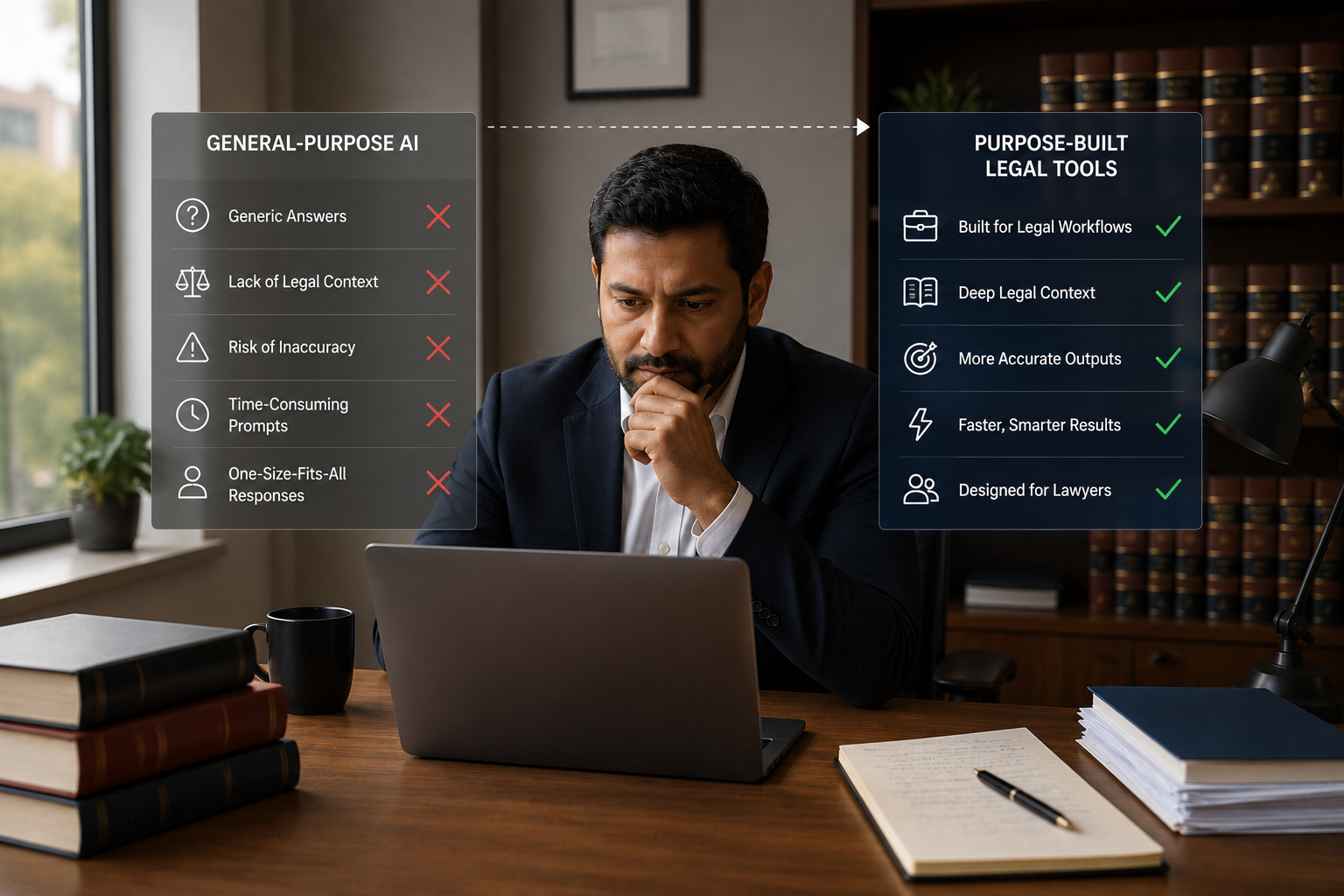
The Strongest Legal Workflows Often Combine Both
The discussion is increasingly shifting away from:
“AI versus lawyers.”
Toward:
“How can legal teams combine AI-assisted efficiency with human legal judgment?”
Many organizations are now exploring hybrid workflows where:
AI assists with structure and repetitive drafting
Lawyers review risk allocation and enforceability
Legal operations teams maintain consistency
Commercial teams accelerate turnaround time
This model may help reduce operational friction without removing legal oversight from high-risk decisions.
Why Static Templates Are Becoming Less Reliable
Traditional contract templates often become outdated over time.
Business models evolve.
Regulations change.
Commercial structures become more global.
New technologies introduce additional obligations.
As a result, many organizations are reassessing how agreements are maintained, updated, and version-controlled internally.
Modern drafting workflows increasingly prioritize:
Structured clause libraries
Context-aware drafting
Centralized template management
Review consistency
Collaborative legal workflows
instead of relying entirely on disconnected static documents.
How AI-Assisted Legal Drafting Platforms Are Evolving
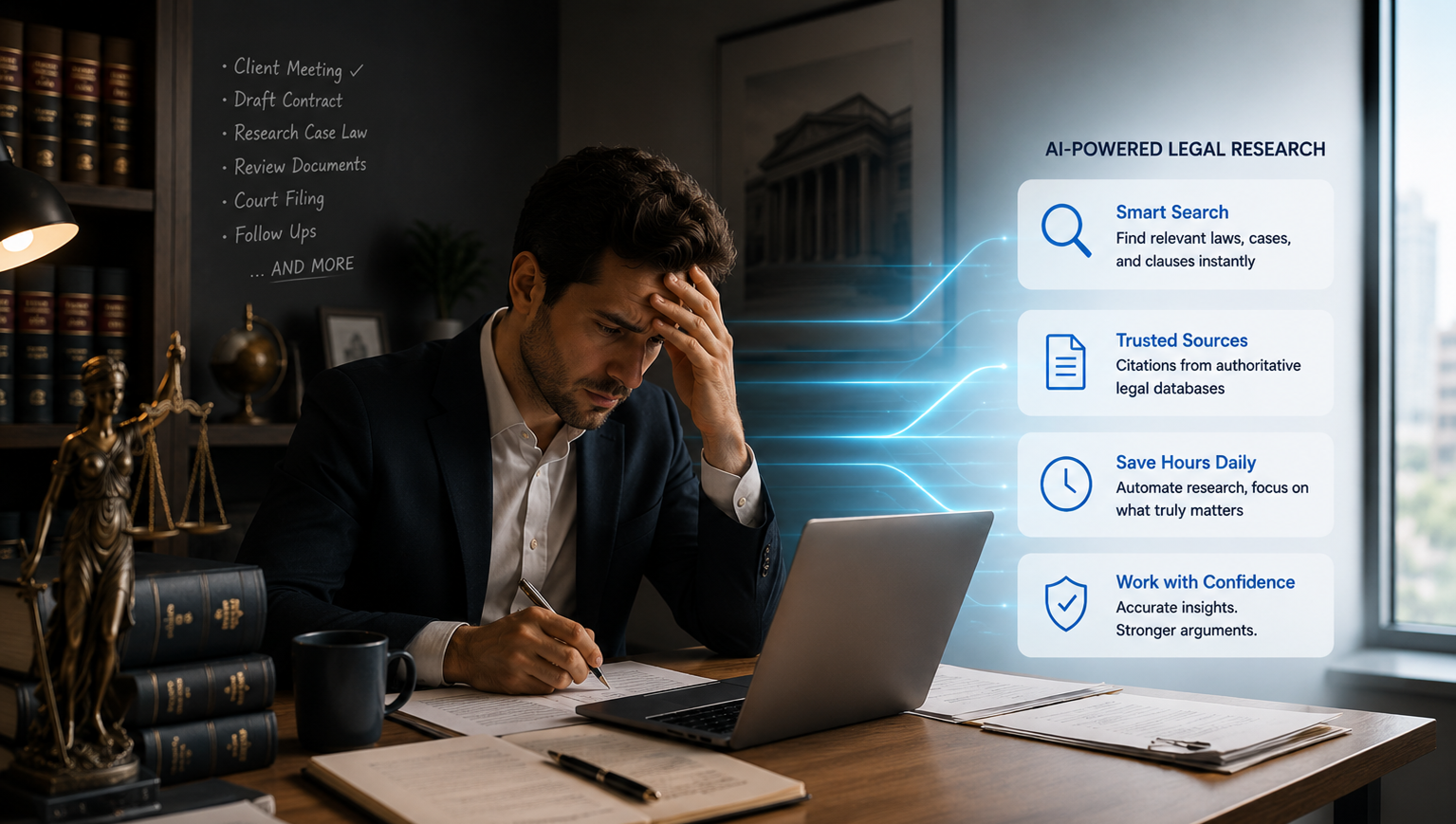
Modern legal drafting systems are increasingly designed to support workflow organization rather than simply automate document generation.
Many platforms now focus on helping legal teams:
Organize clause libraries
Standardize templates
Accelerate first drafts
Maintain consistency
Structure internal review processes
Reduce repetitive drafting work
This shift is particularly visible in commercial contracting environments where document volume is high.
Platforms such as Ovviously are part of a broader movement toward structured legal workflows that combine drafting assistance, organization, research support, and collaborative review systems.
The goal is not necessarily to replace legal judgment.
It is often to improve drafting efficiency while helping legal teams maintain greater consistency across documents and workflows.
Frequently Asked Questions
Can AI draft legally binding contracts?
Contracts generated using AI tools may become legally binding if properly executed and enforceable under applicable law. However, enforceability depends on drafting quality, legal compliance, commercial context, and jurisdiction-specific requirements.
Are AI-generated contracts reliable?
Reliability may vary depending on the complexity of the agreement, the quality of the drafting system, jurisdictional considerations, and the level of human legal review involved.
What are the biggest risks in AI-generated contracts?
Common concerns may include:
Ambiguous drafting
Jurisdictional inconsistencies
Missing obligations
Regulatory gaps
Inconsistent definitions
Improper risk allocation
Should lawyers still review AI-generated agreements?
Many organizations continue to use lawyer review processes for higher-risk agreements, negotiated transactions, regulated industries, and commercially sensitive matters.
Can AI replace contract lawyers?
AI-assisted systems may help streamline portions of drafting workflows, but many legal tasks still require contextual legal judgment, negotiation strategy, regulatory interpretation, and commercial risk assessment.
Final Thoughts
AI-assisted contract drafting is becoming part of modern legal operations.
For many organizations, these tools may improve drafting speed, consistency, and workflow efficiency.
At the same time, commercial contracting continues to involve legal nuance, contextual interpretation, regulatory awareness, and strategic risk allocation that often require human judgment.
The future of legal drafting may not be fully automated or fully manual.
Instead, many legal teams are moving toward structured workflows where AI-assisted systems support lawyers rather than replace them.
As contract volume grows and commercial relationships become increasingly global, the ability to combine operational efficiency with careful legal review may become one of the most important advantages in modern legal workflows.
Learn more about structured legal drafting workflows at Ovviously.com